We are
glad to interview the Founder of Holo-Or, Israel Grossinger, who continues to be its general manager, in honor of the 20th anniversary of Holo-Or.
How did it all start?
20 years
ago one could see a lot of activity in the research institutes, but there was no company
that actually offered diffractive optical elements (DOEs) on a commercial basis. I saw
potential in telecommunication and medical laser optics. We arranged to offer a
WDM module to the telecom network designers. Soon afterwards we came
to Coherent Medical, the leader in Medical Laser systems in those days. They
were interested to enter this field and also looked to academic institutes like
MIT that did work in this field. Eventually Coherent decided to team up with us,
as we had advanced designs and manufacturing and we were prepared as well to establish a
normal commercial relationship with them. I also had served as the VP R&D of Indigo
(that has been sold later to HP) at this level of commerce. So this was a good
fit. Coherent was very glad to try our new designs and even asked us to copy one
by one our production facilities.

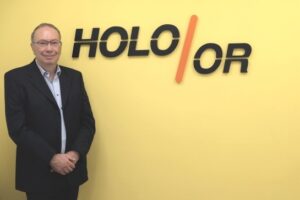
Picture of Israel Grossinger Founder of Holo/Or.
What was the first product of Holo-Or?
Actually
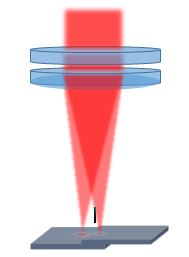
our Holo-Fractive and Dual Wavelength lenses were the first diffractive optical
elements sold on a commercial basis in the world. The Holo-fractive lenses
correct the spherical aberrations with a diffractive surface to diffraction
limited spot size, and also allow getting the same spot size at a larger working
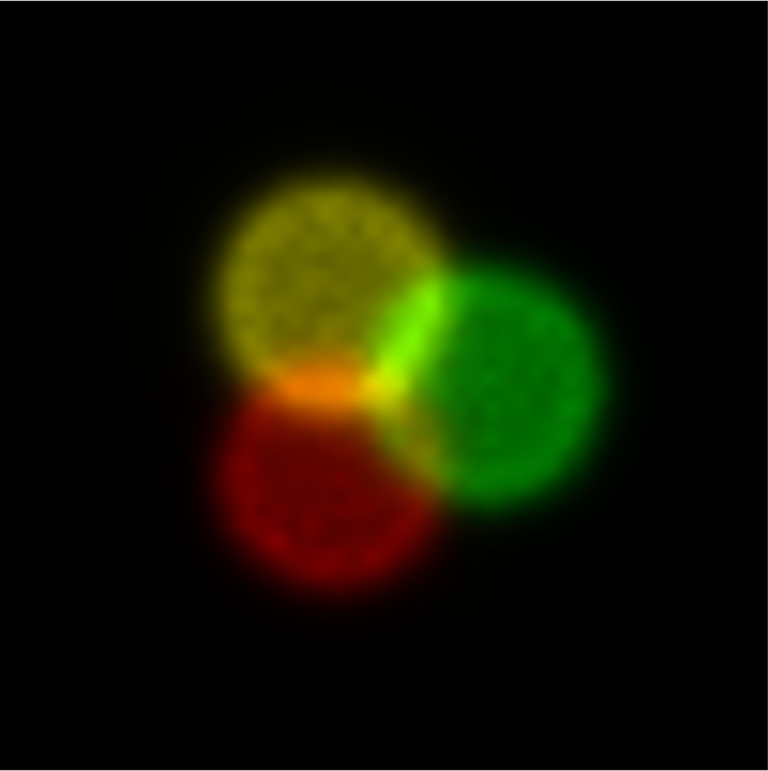
distance, and suffer less back-scattering. The Dual wavelength lens corrects
the strong chromatic aberrations between a CO2 laser and its Red aiming beam.
This is still a very popular element that we sell for use in surgical laser
systems and FTIR systems.

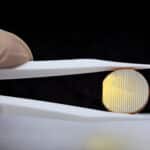
Fig 1. Dual Wavelength Lens, are still used in Surgical Laser
systems.
What other developments have you been strongly involved with over
the years?
We had a
contribution to a variety of fields. Many times these included diffractive
optical technologies, but sometimes we did the design and the development as
subcontractors for creating conventional optical systems. It is worth mentioning
here contact lenses, IOL (Intra Ocular Lenses), Fundus cameras, hair coloring
diagnostic and guiding systems, portable scanners, camera pill, aesthetic laser
treatment, and many more projects, and products.
What are the most popular products today?
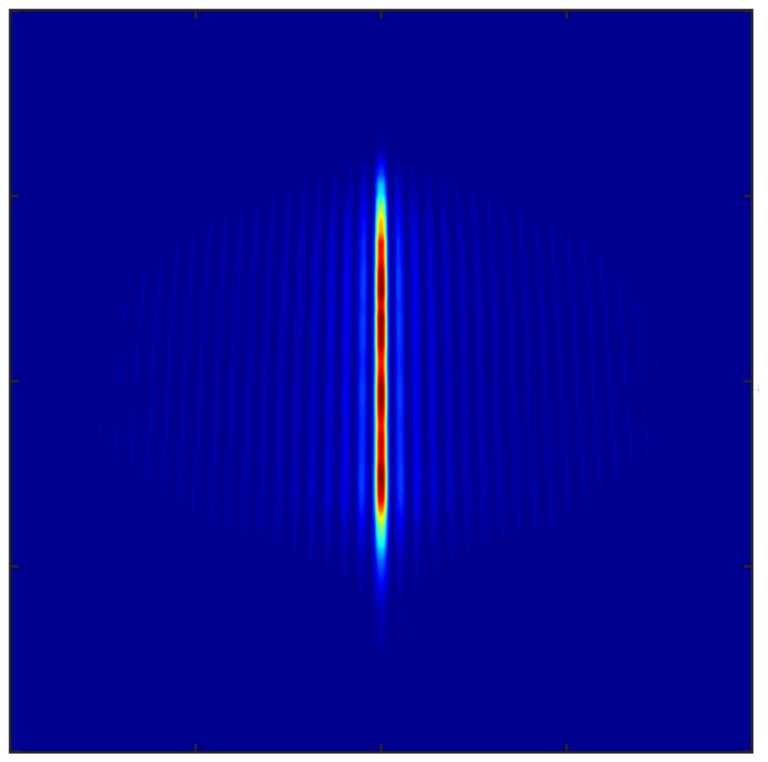
We have a lot of activity today in Homogenizers/Diffusers/Beam-Shapers. The customers get with their
laser a spot that is normally not optimal for the application. With our optics
we then make the spot more uniform or modify the spot size. If they have high
power lasers they know they need a solution from Holo-Or that uses pure Fused
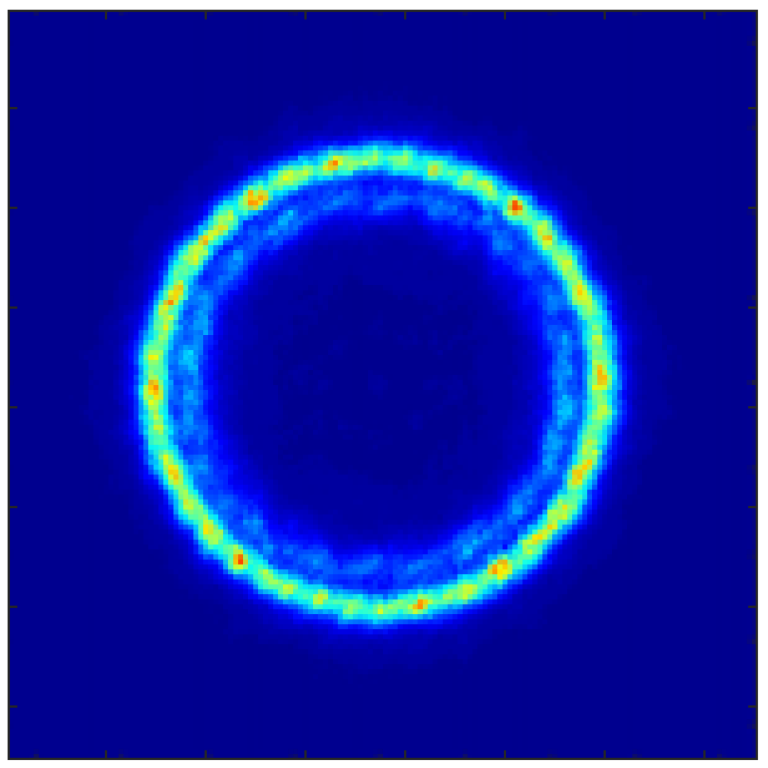
Silica or ZnSe but at reasonable prices. They want to make their system more efficient, so they get our elements that put 75-95% of of
their laser energy where they want it.

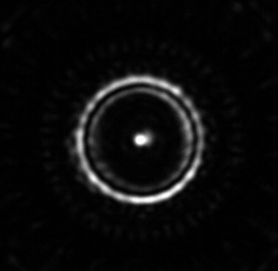
Fig. 2. A High efficiency Round Diffuser with 90% in the desired
spot.
Another
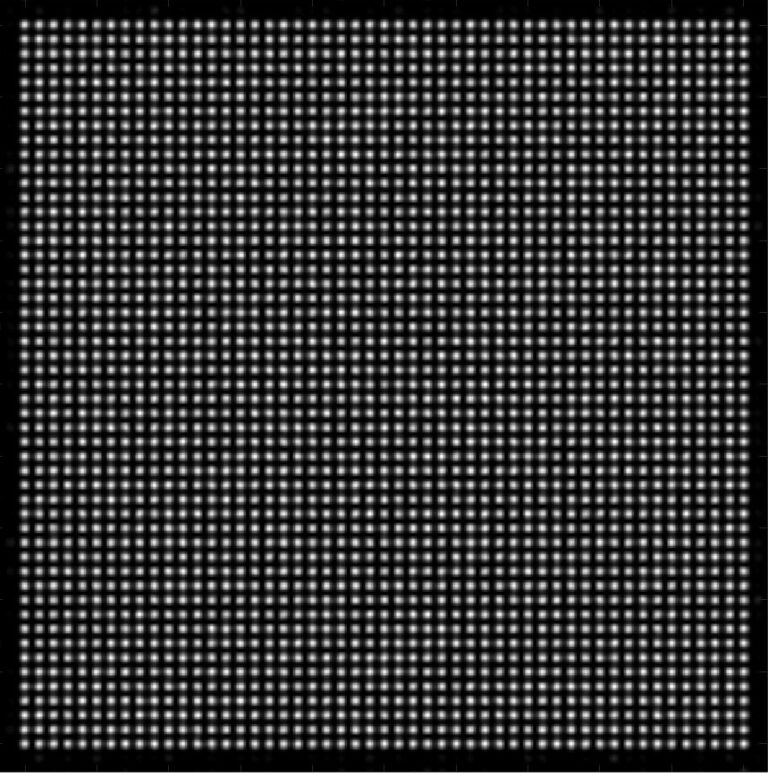
family that is getting more and more popular is the 1-D and the 2-D multi-spots.
Here the customer creates a number of points from one laser close to each other.
Most of these are a way to get a higher throughput; this can be for perforation,
or Skin-Resurfacing, Automatic optical inspection or other applications. Also
here the customer asks for high efficiency, high damage threshold and to get as
much energy as possible in the desired spots.
How do you position yourself between your competitors?
We have
probably the widest collection of high power diffractive optical elements (DOE's) available, one can find at www.holoor.com . So the customer normally doesn't need to pay NRE even for a
job that looks very special. On top of that we keep the NRE prices very low, so
even if a new design is required the customer will get this from us at only a
fraction of the cost of the price our competitors ask. Furthermore, we take care to
give fast, detailed and accurate responses to the questions and concerns of the
customer. I think that our customers feel our concern for their
projects to succeed, and will alert them for problems even before they see them
many times, and, last but not least, we are after the most mature DOE manufacturer
and have built our reputation and customer base over the years.
Where do you see Holo-Or and Diffractive Optical Elements in 10
years from now?
We look
into new applications like Solar Energy and communications. I trust either we or
other DOE companies will start playing a larger role here.
In the
more immediate future we wish to climb higher in the food chain. So you will see
soon sub-systems from us, where we integrate our elements together with more
optics and/or lasers.
Together
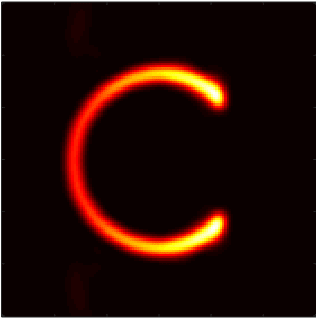
with that we keep developing new elements like Vortex Lenses or a type of
Homogenized Splitter, and are always open to hear from our customers where they
wish us to assist them.
How do you celebrate 20 years Holo-Or?
As we wish
to celebrate with our customers we decided to lower the price for any order
received between April 1st and June 20th 2009 with a
minimum of 10% and an average of 20% depending on the type of products, some
having up till 50% discount.
|